by Captain Mike Merritt
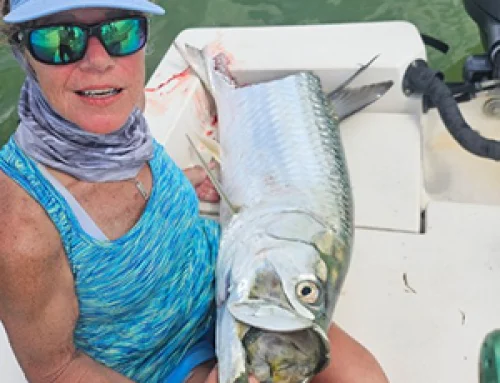
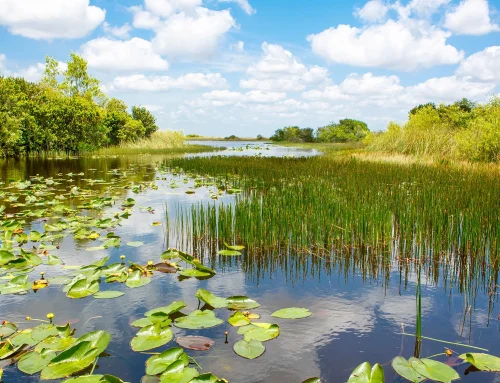
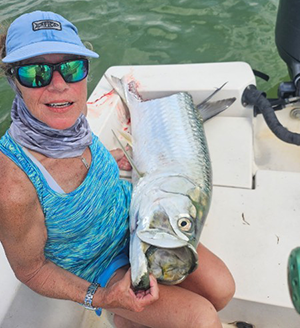
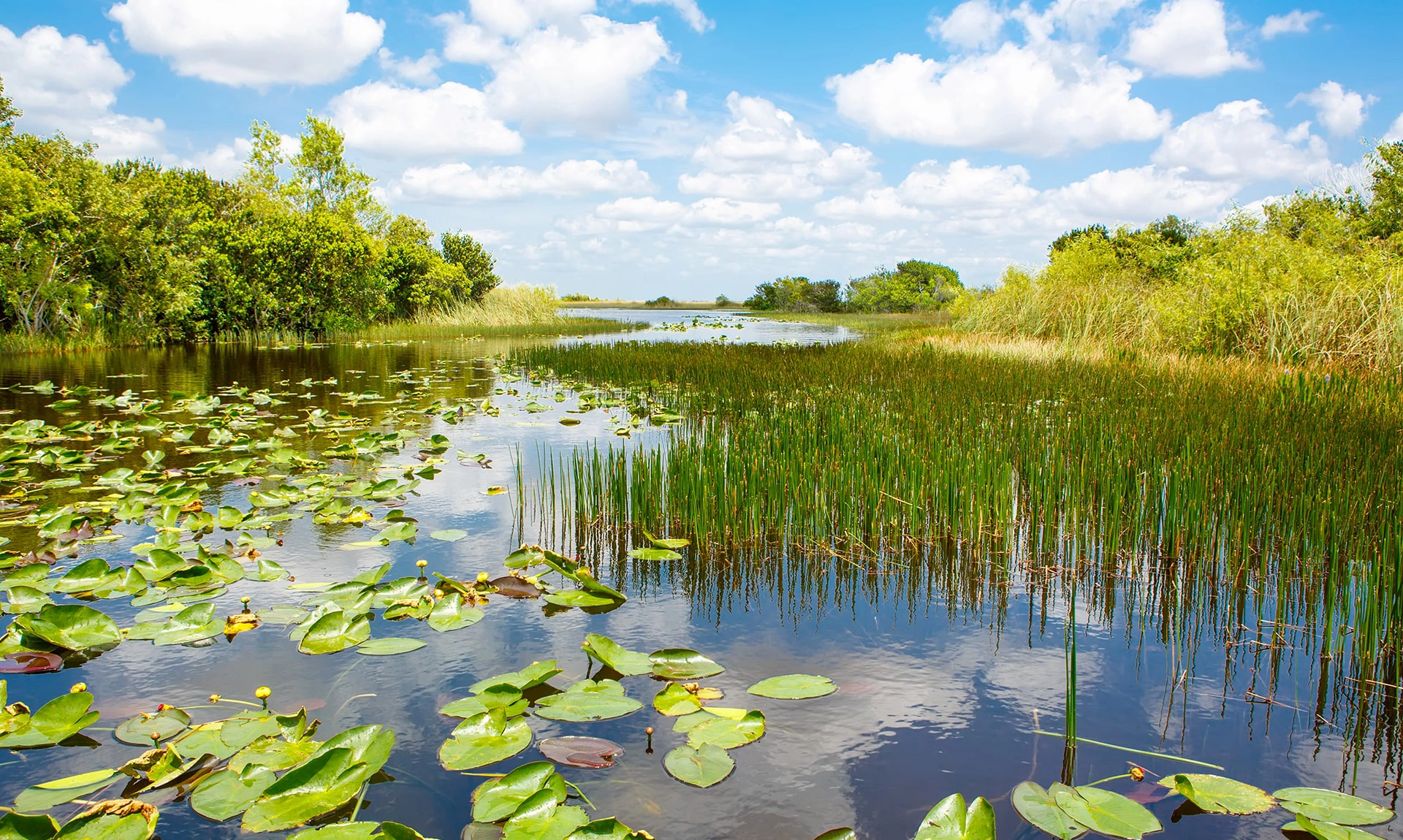
Fishing has always been part of who I am. I grew up on the water, and for more than 30 years I’ve made my living guiding in Everglades National Park. Somewhere along the way, like a lot of fishermen, I started carrying around a quiet dream of fishing the Amazon.
When the opportunity finally came, I didn’t hesitate.
That first trip changed things. The fishing was everything I imagined — peacock bass, wild water, places that still felt untouched — but what stayed with me even more were the days on the river itself. We were constantly seeing wildlife: sloths hanging in the trees, monkeys moving along the banks, pink river dolphins surfacing nearby. Every bend in the river felt like something new.
I went back. And then I went back again.
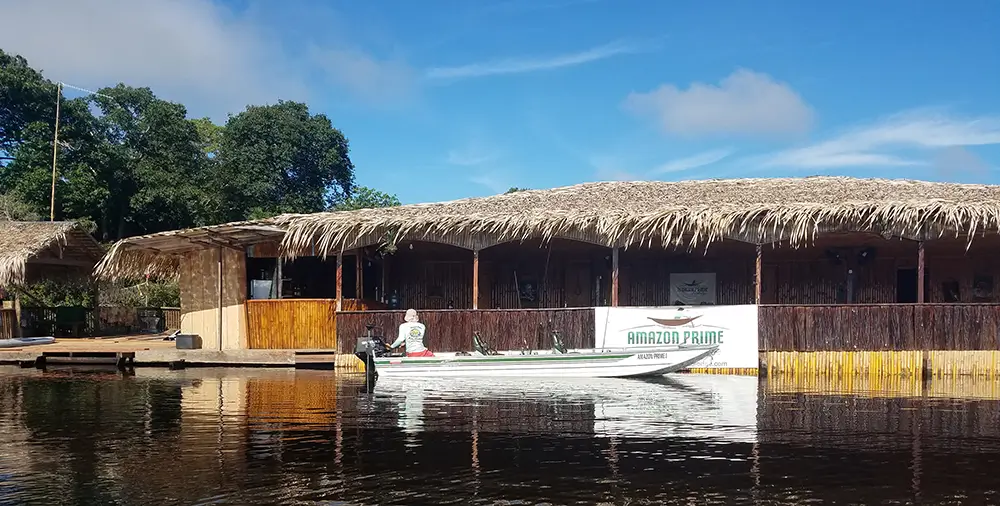
Before long, I realized I didn’t just want to visit the Amazon — I wanted to be part of it. That’s how I ended up owning a small lodge along the Urubu River — we named it Amazon Prime Ecolodge. At first, it was simply a place to bring a few longtime fishing clients. But each trip unfolded the same way. We fished, yes — but we also spent time with the people who live on the river, learning how they work, how they eat, and how they move through the world.
The lodge slowly became less about a single purpose and more about being present in a place.
Everyone who works there grew up on the Urubu River. They live there now, just as their families have for generations. Time there falls into a natural rhythm — meals made from what’s available, days shaped by the river, and evenings that tend to end with stories instead of schedules.
Some days revolve around fishing. Peacock bass up to 20 pounds live in these waters, along with arowana, wolf fish, jacunda, redtail catfish, surubim, and occasionally even arapaima. Other days move at a different pace. The birdlife alone can stop you in your tracks. There are hundreds of species in the area, and it’s not unusual to see something new every time you head downriver. One guest kept track and recorded more than 160 species in just six days.
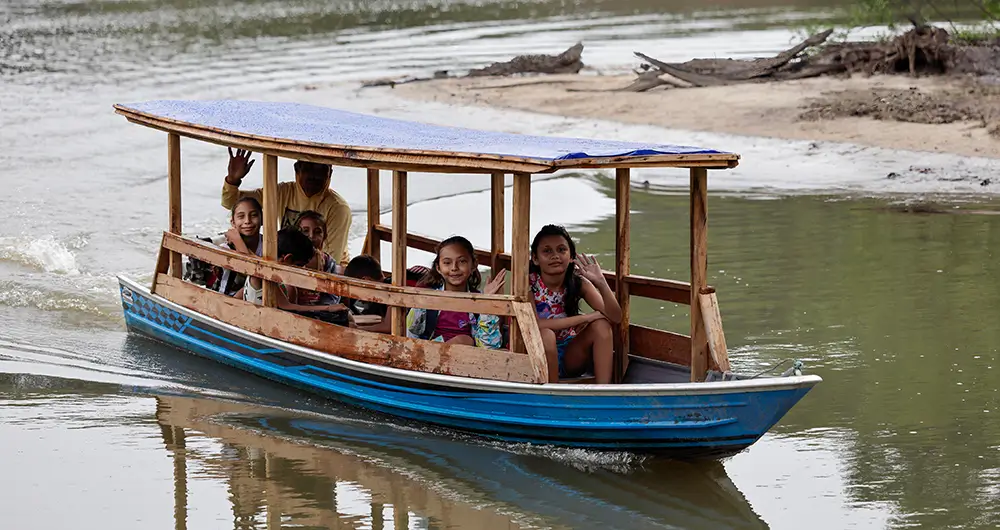
Time on the river also means time with the surrounding communities. Visiting schools, seeing how thatch roofs are made by hand, watching cassava roots turned into flour the same way they’ve been done for generations. Life there hasn’t rushed forward the way it has in most places — it’s layered, steady, and deeply connected to the river.
That sense of connection is what keeps drawing me back.
This February, I’ll be back home at the Everglades Seafood Festival, sharing photos and stories. I’ll also be raffling off a custom spinning rod and reel, with all proceeds going toward a local Everglades City high school scholarship and support for a school along the Urubu River.
Come see me and let’s talk fishing.